
MoMA Redesign
Yoshio Taniguchi Architect, Japan
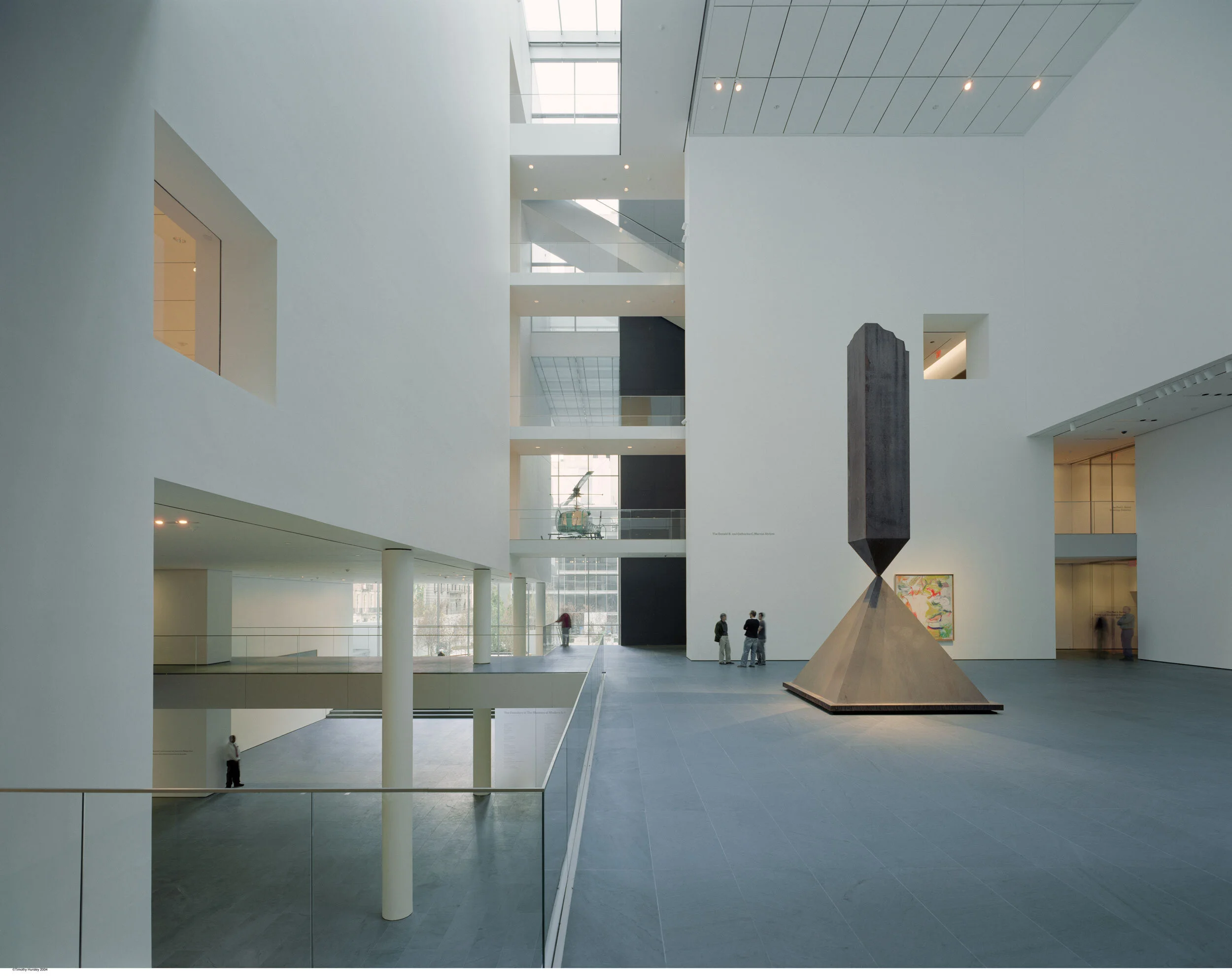
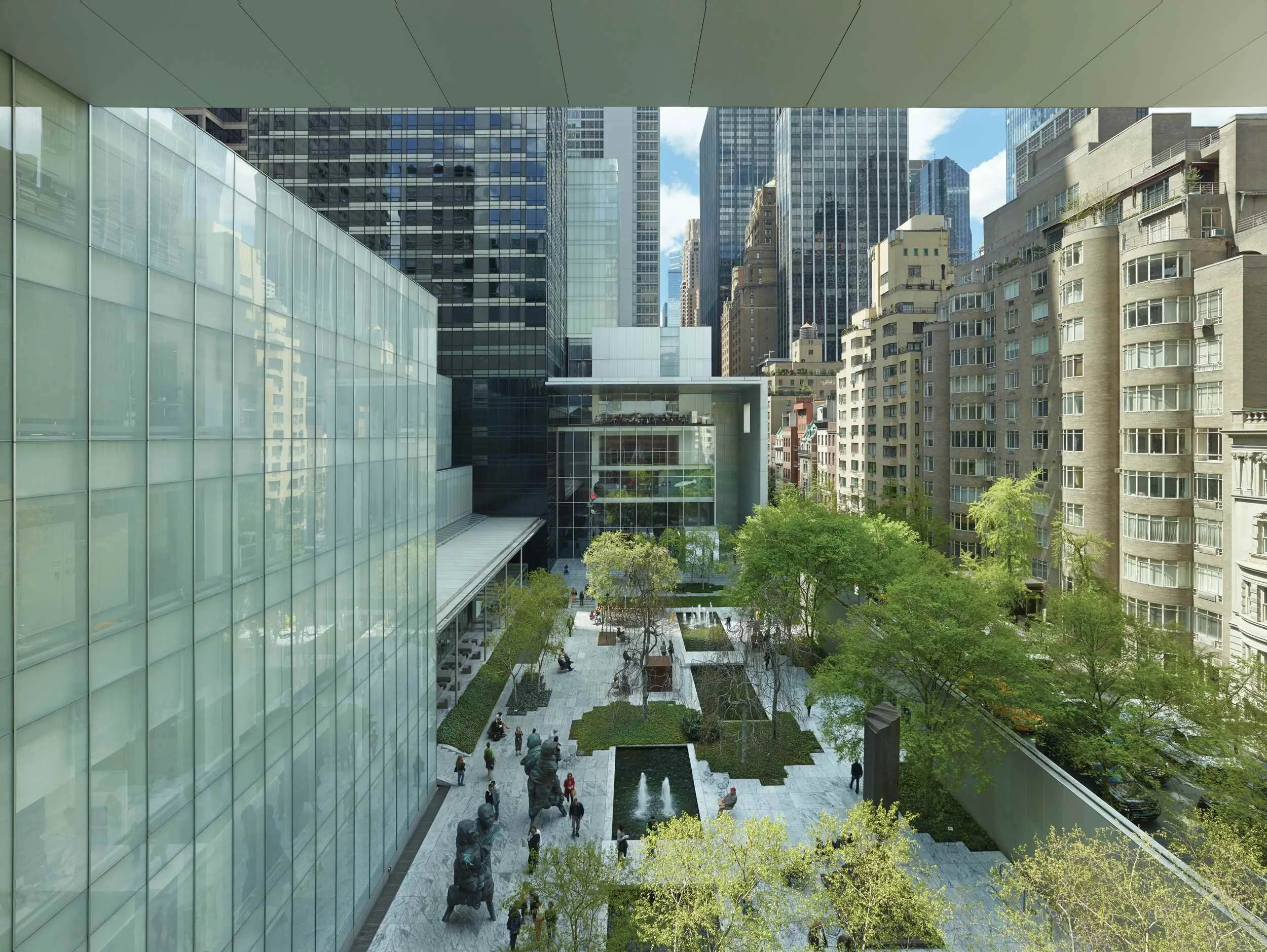
Since 1929, The Museum of Modern Art (MoMA) has been a world reference for diplaying modern art. After its early years in temporary locations, MoMA moved to its present location at 11 West 53rd Street in New York. It received several additions since the initial design by architects Philip Goodwin and Edward Durel Stone. Philip Johnson’s addition in 1953 includes the Sculpture Garden, and Cesar Pelli’s third phase was completed in 1984. In 1997, Yoshio Taniguchi won the international limited competition for the MoMA redesign, which opened to the public in 2004.
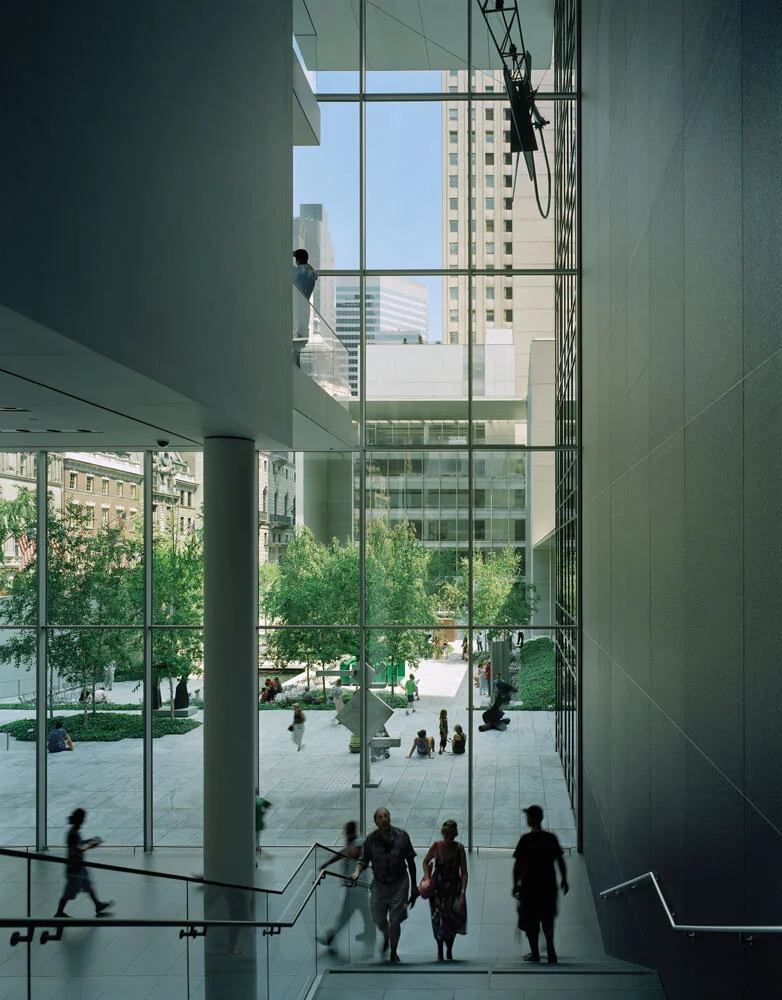
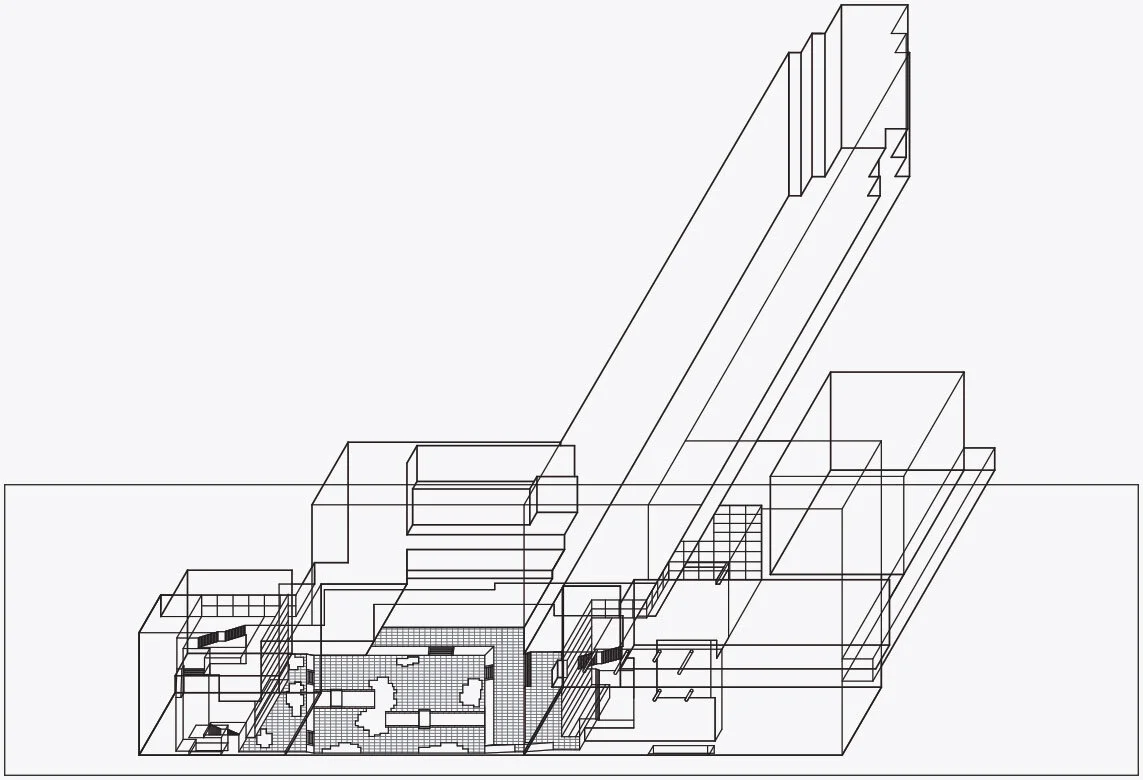
The new, redesigned space of approximately 59 000 square meters almost doubled the museum’s previous area. Taniguchi reaffirmed the modernism of the previous phases while taking into consideration a contemporary approach. The new redesign takes into account the individual aspects of the museum’s different parts and phases, and creates a fluid connection between them. New spaces have been created, surprising the viewer with new perspectives and relations between exhibits, and creating a nonlinear itinerary — an exciting experience thought to the smallest details.
Originally appeared in Modus News 4
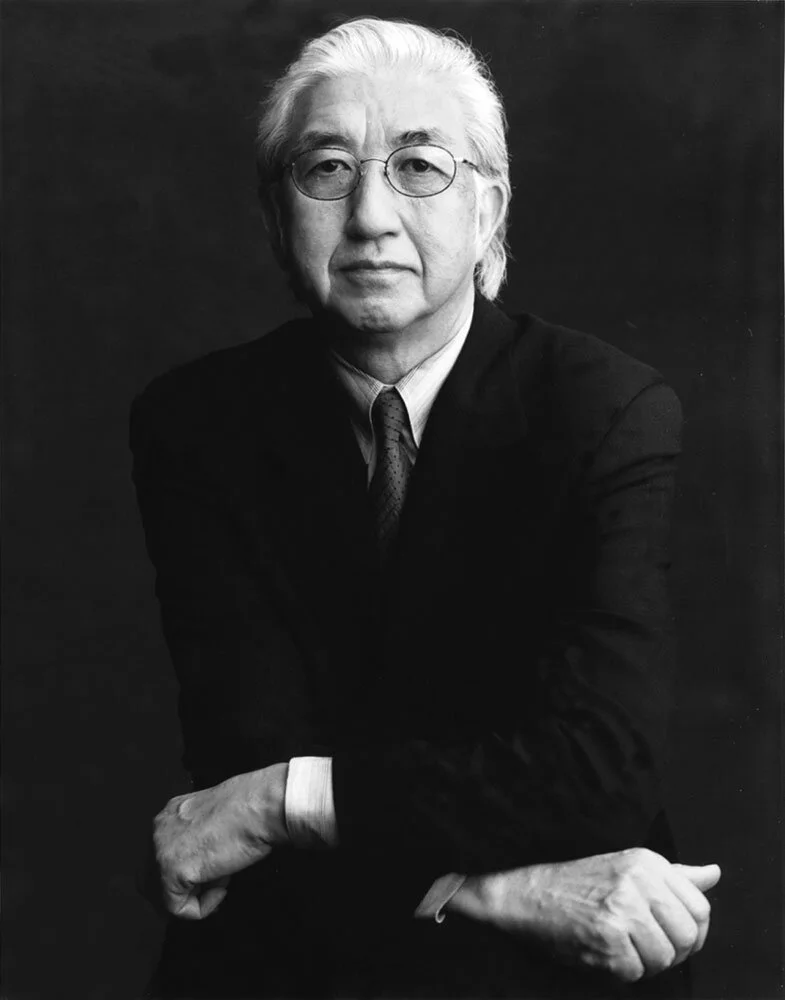
Yoshio Taniguchi
Yoshio Taniguchi studied mechanical engineering at Keio University in Tokyo, Japan, graduating in 1960, and studied architecture at Harvard University’s Graduate School of Design, graduating in 1964. From 1964 to 1972, he worked at Kenzo Tange Associates Urbanists-Architects, and in 1979, he opened Taniguchi and Associates. He is the winner of many prestigious awards, including the Architectural Institute of Japan Award and the Praemium Imperiale. Taniguchi has worked on many projects in Japan, from schools to libraries, and is best known for having designed several Japanese museums, as well as the redesign of the Museum of Modern Art in New York (MoMA).
All photographs ©Timothy Hursley and image by Taniguchi and Associates
Yoshio Taniguchi photograph ©Timothy Greenfield-Sanders